
Gorilla Insights / Survival Guides / Tackling Loitering with Advanced Video Monitoring Solutions
Tackling Loitering with Advanced Video Monitoring Solutions
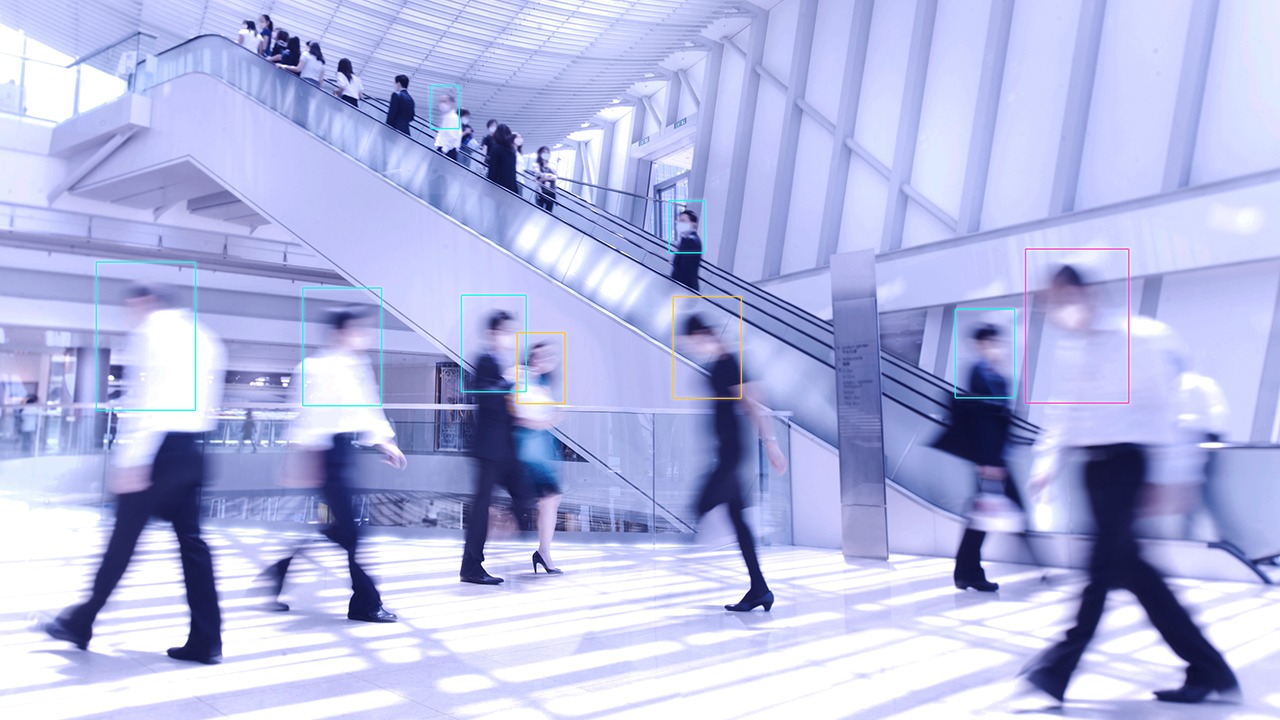
Table of Contents
The Loitering Issue
Loitering on business premises is more than just an inconvenience; it can lead to property damage, theft, and an unsafe environment for employees and customers. Fortunately, with the rise of advanced video monitoring solutions, businesses can now take control and prevent these issues before they escalate. In this article, we go through the damage caused, traditional prevention, and then look at how AI can be leveraged to tackle the loitering issue.
How Does Loitering Impact Business?
Loitering may seem like a minor problem, but its impact is far-reaching. From the increased risk of vandalism to creating an unwelcoming environment for potential customers, loitering can harm a business’s reputation and bottom line. Imagine your storefront becoming a gathering spot – what does that say to someone walking by? The presence of loiterers can deter visitors, especially those with families or those seeking a peaceful atmosphere. And in the long term, it can increase operating costs due to security and property repairs.
Traditional Loitering Prevention Methods
For years, businesses have relied on traditional methods to prevent loitering – security guards, fences, and basic surveillance systems. While effective to some extent, these methods are not foolproof. Guards might miss critical moments, or a basic surveillance camera might not provide the level of detail needed to identify suspicious activity in real-time.
The problem with these outdated techniques? They’re reactive, not proactive. By the time something goes wrong, it’s already too late.
Is There a Modern Solution to Loitering?
Enter the age of smart surveillance and anti-loitering systems. With advanced technology, businesses can now monitor their premises with precision, detect abnormal behavior, and respond almost instantaneously. These systems don’t just record footage – they analyze it, empowering you with the tools to protect your property and prevent damage before it occurs. This is the dawn of smarter, more efficient security.
The backbone of modern anti-loitering systems lies in cutting-edge detection technology like that found in IVAR®. These systems use artificial intelligence (AI) and behavior analysis to identify loitering patterns, distinguish between regular and abnormal activity, and provide real-time alerts. Let’s break down some key elements of this tech:
AI Behavior Analysis
AI-driven behavior analysis helps identify patterns that might go unnoticed by human eyes. For instance, it can detect when a person remains in a specific area for too long or exhibits suspicious movements. Think of it like a virtual security guard that never sleeps, analyzing footage and sending alerts when something unusual is detected.
Time-Based Monitoring
Unlike traditional systems that may simply capture video footage, modern systems use time-based monitoring to track when loitering typically occurs. By understanding peak loitering times, businesses can tailor their security protocols to match, ensuring optimal protection during vulnerable hours.
Group Detection
It’s not just about individual loiterers anymore. Many modern systems can also detect groups of people congregating in one area, which can be a sign of potential trouble. This feature allows businesses to quickly respond to potentially hazardous situations before they spiral out of control.
Activity Classification
Advanced systems can classify types of activity based on movements and behavior. From someone standing idle to a group engaging in suspicious activity, the system categorizes behavior, making it easier for businesses to prioritize responses and allocate resources effectively.
Implementation Guide
So, how do you get started with an anti-loitering system? Here’s a step-by-step guide to setting up a smart surveillance solution for your business:
1. Camera Placement Strategy
The placement of cameras is critical. Ensure that high-traffic areas, entrances, and potential loitering zones are covered. Wide-angle cameras can provide broader coverage, while zoom-in cameras are ideal for capturing detailed footage.
2. System Configuration
Once cameras are installed, configure the system to detect specific behaviors or anomalies. This could mean setting up alerts for time thresholds or unusual group activity. Proper configuration helps avoid false alarms and ensures that your system only alerts you to critical situations.
3. Alert Thresholds
Setting alert thresholds allows the system to know when to trigger an alarm. This could involve loitering beyond a specific time limit, large groups forming in a designated area, or someone engaging in suspicious activity. Adjust these thresholds based on your specific needs and business environment.
4. Response Protocols
A smart system isn’t just about detection – it’s about response. Set up predefined protocols for your team to follow once an alert is triggered. Whether it’s notifying security staff, sending an automated message, or calling law enforcement, having clear response protocols ensures fast, efficient action.
Integration Options
Advanced anti-loitering systems can integrate with other security tools to maximize effectiveness.
Security Staff Alerts
By integrating the system with staff notifications, security personnel can act quickly and effectively, addressing potential loitering issues in real-time.
Public Address Systems
Some systems include direct connections to public address systems, enabling businesses to issue warnings or even ask loiterers to leave through speakers – dissuading them without direct confrontation.
Law Enforcement Notification
For extreme cases, the system can be connected to local law enforcement. In the event of a serious situation, automatic notifications can be sent to authorities, ensuring that help is on the way without delay.
Access Control Systems
For locations with restricted areas, integrating access control systems can provide additional layers of security, prevent unauthorized entry, and ensure loiterers can’t get too close to sensitive zones.
Success Metrics and ROI
To determine if your anti-loitering system is working, consider the following success metrics:
Incident Reduction
Track the number of loitering-related incidents before and after system installation. A significant decrease indicates success in preventing these behaviors.
Response Time Improvement
Monitor the time it takes for security personnel to respond to alerts. With automated alerts and clear protocols, you should see a decrease in response times.
Cost Savings
With fewer incidents and improved security, businesses can save on security personnel costs, property repairs, and potential legal liabilities.
Customer Satisfaction
A safe and secure environment enhances customer satisfaction. Happy customers are more likely to return, and word-of-mouth referrals are a huge benefit.
Best Practices
Here are some best practices for maintaining an effective anti-loitering system:
- Clear signage indicating surveillance and anti-loitering measures can act as a deterrent to would-be loiterers. Let them know they’re being watched.
- Train your staff on how to respond to alerts, how to handle loiterers, and how to use the system effectively.
- Regularly maintain your system to ensure it operates at peak performance. This includes software updates and physical checks of cameras and sensors.
- Develop policies around loitering, security responses, and staff actions. Clear policies help set expectations and ensure consistent responses.
Conclusion
Implementing an advanced anti-loitering system doesn’t just protect your property; it creates a safer, more welcoming environment for both employees and customers. With real-time behavior detection, AI analysis, and automated responses, businesses can tackle loitering in a way that was never possible before.
FAQs
- What is the best camera placement for detecting loitering?
Ensure cameras cover entrances, walkways, and any areas prone to loitering. Wide-angle cameras can capture large areas, while zoom cameras can focus on specific individuals or groups. - How does AI behavior analysis help in loitering detection?
AI analyzes movement patterns and identifies behaviors typical of loitering, such as standing still for extended periods or lingering in one spot. It then triggers alerts for further action. - Can these systems integrate with existing security systems?
Yes, modern anti-loitering systems can integrate with security cameras, public address systems, and law enforcement notifications to create a comprehensive security solution. - How can I reduce false alarms from my system?
By properly configuring the system’s alert thresholds and regularly reviewing detection patterns, you can minimize false alarms and ensure only real threats are flagged. - What are the cost-saving benefits of an anti-loitering system?
An effective system reduces the need for on-site security staff, minimizes property damage, and prevents potential legal liabilities, all contributing to long-term savings.