
Gorilla Insights / Strategy Playbook / How Smart Parking Solutions Help in Reducing Traffic and Emissions
How Smart Parking Solutions Help in Reducing Traffic and Emissions
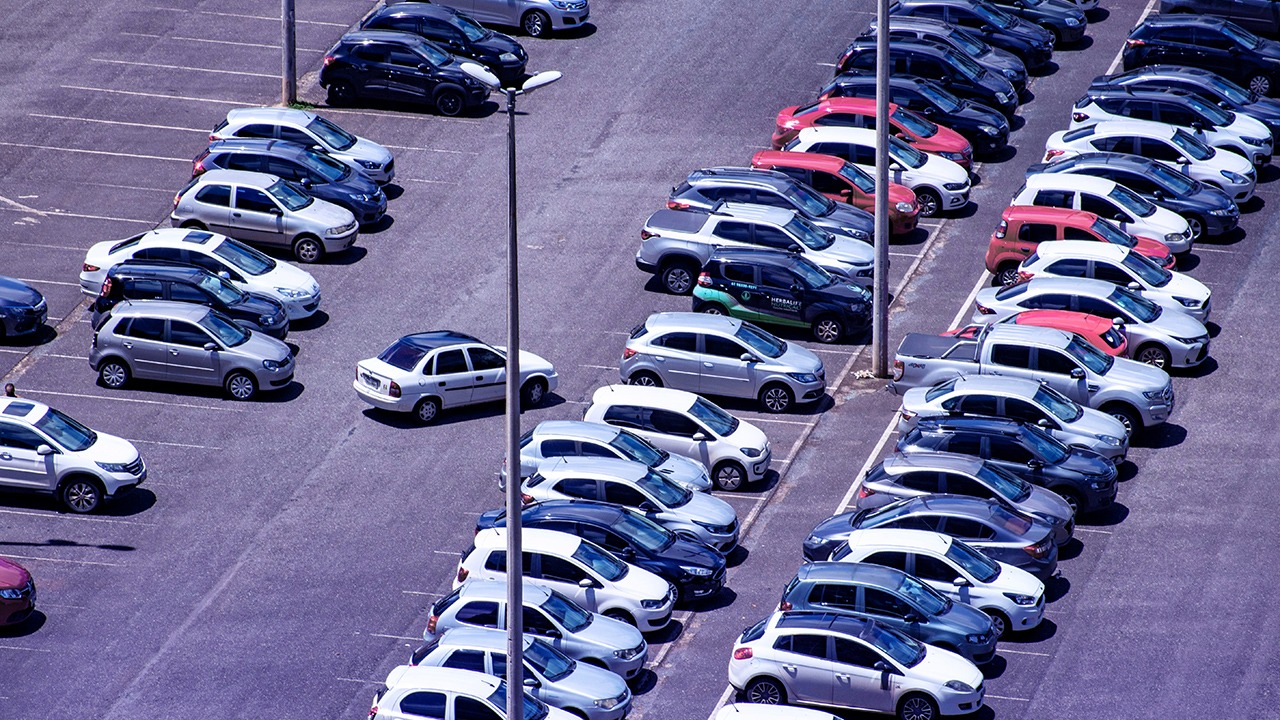
Table of Contents
Finding a parking spot shouldn’t feel like you’re playing a game of musical chairs where drivers endlessly circle the block, burning fuel and patience alike. The promise of smart parking systems, a marriage of tech and urban planning, aims to end that terrible game while tackling two of the biggest urban headaches: traffic and emissions. These innovative solutions represent a fundamental shift in how we approach urban mobility, transforming the daily frustrations of parking into seamless, efficient experiences.
What Can Smart Parking Offer?
Smart parking isn’t just about convenience; it’s a cornerstone of sustainable transportation. By optimizing parking, cities can cut down on congestion and carbon footprints, paving the way for greener, more efficient urban living. This technological revolution in parking management is reshaping our cities, making them more livable, sustainable, and prepared for the challenges of rapid urbanization.
Reducing Traffic with Smart Parking
Efficient parking systems are like a city’s secret weapon against traffic snarls. Here’s how they work their magic:
Efficient Spot Allocation
Forget aimless wandering. Smart parking systems guide you directly to an available spot using real-time data, shaving precious minutes off your commute. These systems leverage advanced sensors and mobile applications to provide drivers with instant, accurate information about parking availability, transforming the hunting process into a streamlined experience.
Fewer Cars on the Road
With streamlined parking, fewer drivers are clogging streets searching for spaces. That means smoother traffic flow and fewer bottlenecks during peak hours. Studies have shown that up to 30% of urban traffic can be attributed to parking searches; smart systems dramatically reduce this unnecessary congestion.
Dynamic Parking Management
By using sensors and AI, smart parking systems can dynamically adjust space usage based on demand, ensuring maximum efficiency. This adaptive approach allows parking facilities to respond to real-time conditions, special events, and changing patterns of urban movement.
Top 3 Ways Smart Parking Reduces Emissions
What’s the environmental cost of finding a parking spot? Spoiler: it’s steep. Here’s how smart parking slashes emissions:
1. Less Idling, More Driving
The endless circling for parking isn’t just frustrating – it’s a major emissions culprit. Smart systems cut down this wasteful practice, reducing CO2 output. Research indicates that eliminating just 15 minutes of parking search time per driver can significantly reduce a city’s annual carbon emissions.
2. Green Energy Integration
Many smart parking setups include EV charging stations, promoting the shift to electric vehicles and greener mobility options. These integrated solutions make sustainable transportation more accessible and convenient, encouraging broader adoption of environmentally friendly vehicles.
3. Optimized Routes
Advanced apps guide drivers along the most efficient paths to open spots, minimizing fuel consumption and air pollution. By calculating the shortest possible route to available parking, these systems help reduce the environmental impact of every parking journey.
Synergy with Smart Cities
Smart parking doesn’t work in isolation – it’s part of a larger, connected ecosystem that’s revolutionizing urban living.
Building Sustainable Urban Ecosystems
As a piece of smart city infrastructure, intelligent parking integrates with other systems like public transit and traffic management, creating a seamless urban experience. This interconnected approach ensures that parking solutions contribute to broader city goals for sustainability and efficiency.
Data-Driven Insights
The data collected by smart parking systems can help city planners optimize traffic patterns, identify high-demand areas, and even influence urban design. This wealth of information enables cities to make informed decisions about infrastructure development and resource allocation.
Future Implications of Smart Parking
The evolution of smart parking technology continues to accelerate, promising even greater benefits for cities and citizens alike. With the smart parking market projected to reach $21.3 billion by 2035 at a 10.8% CAGR and as artificial intelligence and Internet of Things (IoT) capabilities advance, we can expect to see even more sophisticated solutions that further reduce traffic congestion and emissions while improving the urban experience for everyone.
Conclusion
Smart parking isn’t just a tech upgrade; it’s a game-changer for urban mobility and sustainability. By reducing the time, traffic, and emissions associated with traditional parking, these systems are reshaping our cities for the better. As we look to the future, the continued development and implementation of smart parking solutions will play a crucial role in creating more sustainable, livable urban environments.
FAQs
- How do smart parking systems reduce traffic congestion?
Smart parking systems use real-time data to direct drivers to available spaces, eliminating the need for aimless searching and reducing overall traffic volume. - Can smart parking systems help with climate change?
Yes! By cutting down on idling and unnecessary driving, smart parking significantly reduces CO2 emissions, supporting broader sustainability goals. - What technologies power smart parking systems?
These systems leverage IoT sensors, AI algorithms, mobile apps, and sometimes even machine learning to optimize parking management and user experience. - How do smart parking solutions integrate with EVs?
Many smart parking setups include EV charging stations, enabling drivers to park and charge simultaneously, promoting eco-friendly transportation. - Are smart parking systems expensive to implement?
While initial costs can be high, the long-term savings in reduced traffic congestion, emissions, and operational costs often outweigh the investment.